








Hydroxyzine (Vistaril, Atarax) and Migraine
Hydroxyzine is an antihistamine used alongside other migraine treatments for nausea, anxiety and sleep, and in emergency departments for decades. What the trials show, how it is used and its safety.


On this pageJump to a section11
Hydroxyzine (Vistaril, Atarax) is an antihistamine with calming and anti-nausea effects. It has no prevention trials in migraine. Its long history is as a partner drug, given with DHE or other treatments in emergency departments to ease nausea and anxiety. Clinicians use it off-label alongside migraine treatment for people whose attacks come with anxiety, nausea, insomnia, hives or itching, because it isn't habit-forming like benzodiazepines.
At a Glance
| Approved for | Anxiety, itching and hives, sedation before procedures |
| Migraine evidence | Used as a partner drug in emergency department trials, no prevention trials |
| How clinicians use it | Add-on for nausea, anxiety or sleep, migraine with allergies or hives |
| Main cautions | Sleepiness, dry mouth, QT prolongation at high doses |
What Hydroxyzine Is
Hydroxyzine blocks histamine H1 receptors and has mild serotonin 5-HT2A blocking effects, which give it calming and anti-anxiety properties. Histamine is one of the many messengers involved in migraine, and antihistamines like cyproheptadine have long been used in migraine care. Unlike benzodiazepines, hydroxyzine doesn't cause dependence.
What the Studies Show
- With DHE. In an 11-hospital US emergency department trial of 171 people, intramuscular DHE plus hydroxyzine relieved pain as well as meperidine plus hydroxyzine, about a 54 percent drop in pain at an hour, with fewer central nervous system side effects in the DHE group.1
- With an opioid. In another trial, meperidine plus 50 mg hydroxyzine performed similarly to ketorolac.2
In both trials hydroxyzine was a partner drug, so these show how it's used rather than its effect on its own. How strong is the evidence? No trials of hydroxyzine alone for migraine attacks or prevention.
How Clinicians Use It
- As an add-on during attacks for nausea, restlessness or anxiety, particularly at night
- For migraine with generalized anxiety, as a non-habit-forming alternative to clonazepam
- For migraine with chronic hives, itching or allergies
- Short-term for sleep during a bad stretch
Doses Used
Adults usually take 25 to 50 mg by mouth when needed, or at bedtime. The emergency trials used 50 mg by injection with the main drug.2 Your clinician decides the dose.
Side Effects
Sleepiness is the main one, along with dry mouth and dizziness. Older adults are more prone to confusion and falls.
Safety Points
- Heart rhythm. At higher doses, hydroxyzine can prolong the QT interval. Care is needed with other QT-lengthening drugs such as haloperidol or ondansetron, and in older adults.
- Sedatives and alcohol. They add to the drowsiness. Don't drive until you know how it affects you.
- Pregnancy. It's generally avoided early in pregnancy. See Migraine Treatment in Pregnancy and Breastfeeding.
Using an Off-Label Medicine Well
Off-label means the FDA approved the drug for something else, not that it's unsafe or unusual. Headache specialists prescribe off-label all the time, because many people need options beyond the handful of drugs approved for migraine.
- Keep a diary. Track monthly migraine days, acute medicine days and side effects before starting and while on it.
- Give it time. Most preventives need 2 to 3 months at a steady dose before you can judge them.
- Share your full list. Tell every clinician and pharmacist everything you take, including supplements and cannabis.
Antihistamines in Migraine Care
| Drug | Main role in migraine |
|---|---|
| Cyproheptadine | Prevention, especially in young children and abdominal migraine |
| Hydroxyzine | Add-on for nausea, anxiety and sleep |
| Diphenhydramine | Given with IV dopamine blockers to prevent restlessness, not a pain treatment on its own |
| Promethazine | Nausea and vomiting during attacks, including in pregnancy |
This article is for education and is not medical advice. Talk with your own clinician before starting, stopping or changing any treatment, and get urgent care for a sudden severe headache, new weakness, numbness, confusion, vision loss or trouble speaking.
References
- Carleton SC, Shesser RF, Pietrzak MP, et al. Double-blind, multicenter trial to compare the efficacy of intramuscular dihydroergotamine plus hydroxyzine versus intramuscular meperidine plus hydroxyzine for the emergency department treatment of acute migraine headache. Ann Emerg Med. 1998;32(2):129-138. doi:10.1016/s0196-0644(98)70126-x
- Duarte C, Dunaway F, Turner L, Aldag J, Frederick R. Ketorolac versus meperidine and hydroxyzine in the treatment of acute migraine headache. A randomized, prospective, double-blind trial. Ann Emerg Med. 1992;21(9):1116-1121. doi:10.1016/s0196-0644(05)80654-7
Get studies like this by email
Every Friday, the week's migraine studies and news explained in plain language. No ads.
From Cerebral Torque
Our book, our rollers and our tracker. Here is what the people who use them say.



“The ultimate blueprint to navigate migraine care.”
Olivia Begasse de Dhaem, MD, headache specialistSee it on Amazon“This is my favorite migraine roll-on that I’ve tried, and I’ve tried quite a few.”
Verified Amazon buyerSee it on AmazonA different formula with more cold. Quick, deep and layered.
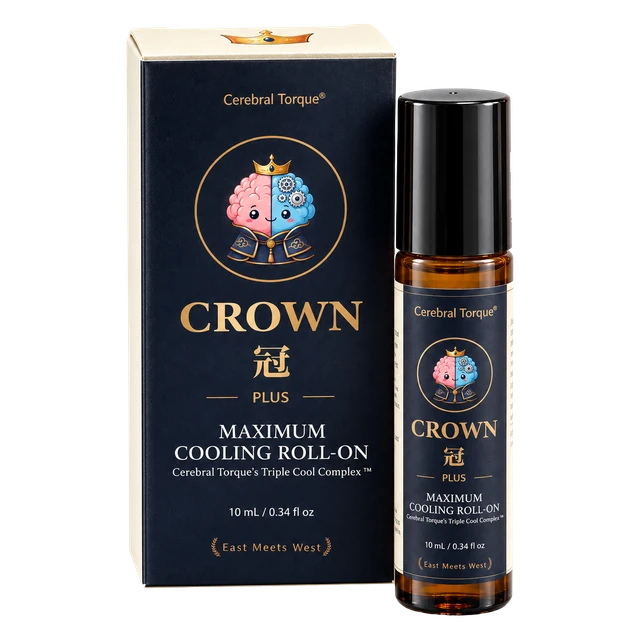
Maximum cooling roll-onSee it on AmazonA paper tracker laid out the way neurologists and insurers ask for it.
Tracker and documentation bookSee it on Amazon
About the author
Founder of Cerebral Torque and author of Unraveling Migraine, with a medical background. Trained in computational and cellular neuroscience, with research using Hodgkin-Huxley modeling and clamp electrophysiology to study how neurons respond to rhythmic input. Now focused on migraine medicine and education, and has produced CME for clinicians on hormone therapy, migraine, and HRT delivery.
More about the authorEditorial standardsThis article is for education and is not medical advice. Talk with your own clinician before starting, stopping or changing any treatment.
More on prevention

Lisinopril for Migraine Prevention
Lisinopril, a common blood pressure pill, reduced migraine days by about a fifth in a placebo-controlled trial. Headache specialists use it for migraine with high blood…

Butterbur (Petasites) for Migraine, Effective but Risky
Butterbur root extract cut migraine attacks by 48 percent in a placebo-controlled trial, but liver injury reports changed how specialists view it. What the trials show,…

Psilocybin for Migraine and Cluster Headache, the Science
Psilocybin is being studied for cluster headache and migraine. We review every controlled trial through 2026, patient reports, doses, safety and the legal reality.
