


Migraine Science
Migraine Attacks Independent of CGRP (cGMP-mediated migraine)
Stay in the Loop on the Latest in Migraine:


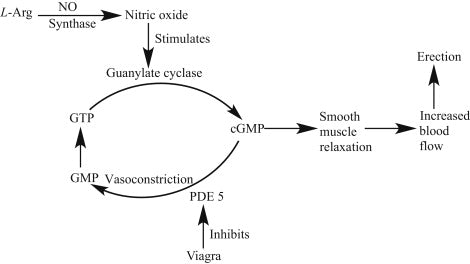
A randomized, double-blind, placebo-controlled study published in Cephalalgia investigated whether sildenafil (Viagra), a phosphodiesterase-5 (PDE-5) inhibitor that increases cGMP levels, could induce migraine attacks in individuals with migraine who were pre-treated with erenumab (Aimovig), a calcitonin gene-related peptide (CGRP) receptor monoclonal antibody.
The study found that 63% of participants experienced a migraine attack within 12 hours after taking sildenafil, compared to only 19% after taking placebo. These findings suggest that the cGMP pathway can trigger migraine attacks INDEPENDENTLY of CGRP receptor activation.
The clinical implications of this study are significant. First, it emphasizes that migraine pathophysiology is complex and involves multiple signaling pathways. Second, it highlights the cGMP pathway as a potential target for future migraine treatments, particularly for patients who do not respond adequately to CGRP-targeted therapies or experience side effects from these treatments.
The study also raises the possibility of developing personalized migraine treatments based on an individual's predominant migraine-triggering pathways. Patients with migraine primarily driven by the cGMP pathway might benefit more from therapies targeting this pathway, while those with CGRP-driven migraine might respond better to CGRP-targeted treatments. Furthermore, combination therapies targeting both pathways simultaneously might provide increased efficacy for some patients (this is currently being studied with anti-PACAP and anti-CGRP drugs).
While the specific mechanisms by which cGMP contributes to migraine pathogenesis remain to be fully known it may be easy to jump to the conclusion that it is vasodilation due to the mechanism of action and clinical outcome of sildenafil. However, the study's authors discuss potential sites of action of sildenafil within the trigeminovascular system. They note that sildenafil, being a lipophilic drug, can cross the blood-brain barrier and exert central effects, potentially activating excitatory neuronal pathways that may contribute to migraine attack initiation. Remember, migraine is neurovascular, not solely vascular in pathogenesis.
It is important to note that this study is small and further research is needed to confirm these findings and fully understand the clinical implications of targeting the cGMP pathway in migraine management.

Where to next?
Pick a topic and dive into more free, research-backed guides in the Migraine Resource Hub.


Vestibular Rehabilitation for Vestibular Migraine: What 7 Studies Show
Seven studies and 272 adults with vestibular migraine show a pooled 23.97 point drop in dizziness handicap after vestibular rehabilitation, above the usual threshold for clinical meaningfulness. Balance confidence did...
Read More
Botox for Chronic Migraine: What 479 Real-World Patients Show
A 479-patient real-world study of onabotulinumtoxinA for chronic migraine found a mean reduction of 5.9 monthly headache days, with 27.3% reaching the 50% response threshold and 41.6% shedding medication overuse....
Read More
The New Migraine Prevention Guideline: What the AAN and AHS Recommend
The American Academy of Neurology and the American Headache Society have published a joint practice guideline on migraine prevention in adults: 17 recommendations and 52 statements. It names no single...
Read More


